
Needles mat in valleys after wind
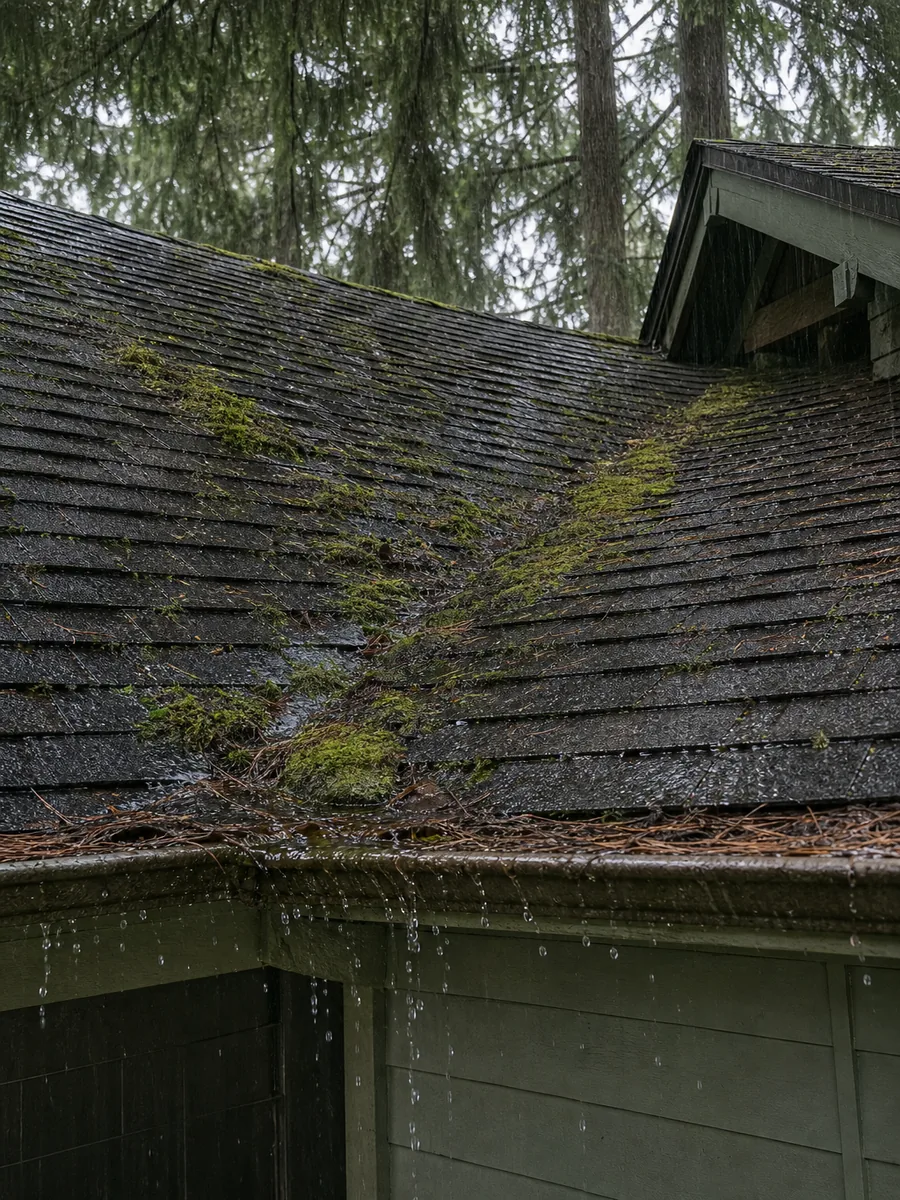
Dams send water under shingles.
Portland, Oregon
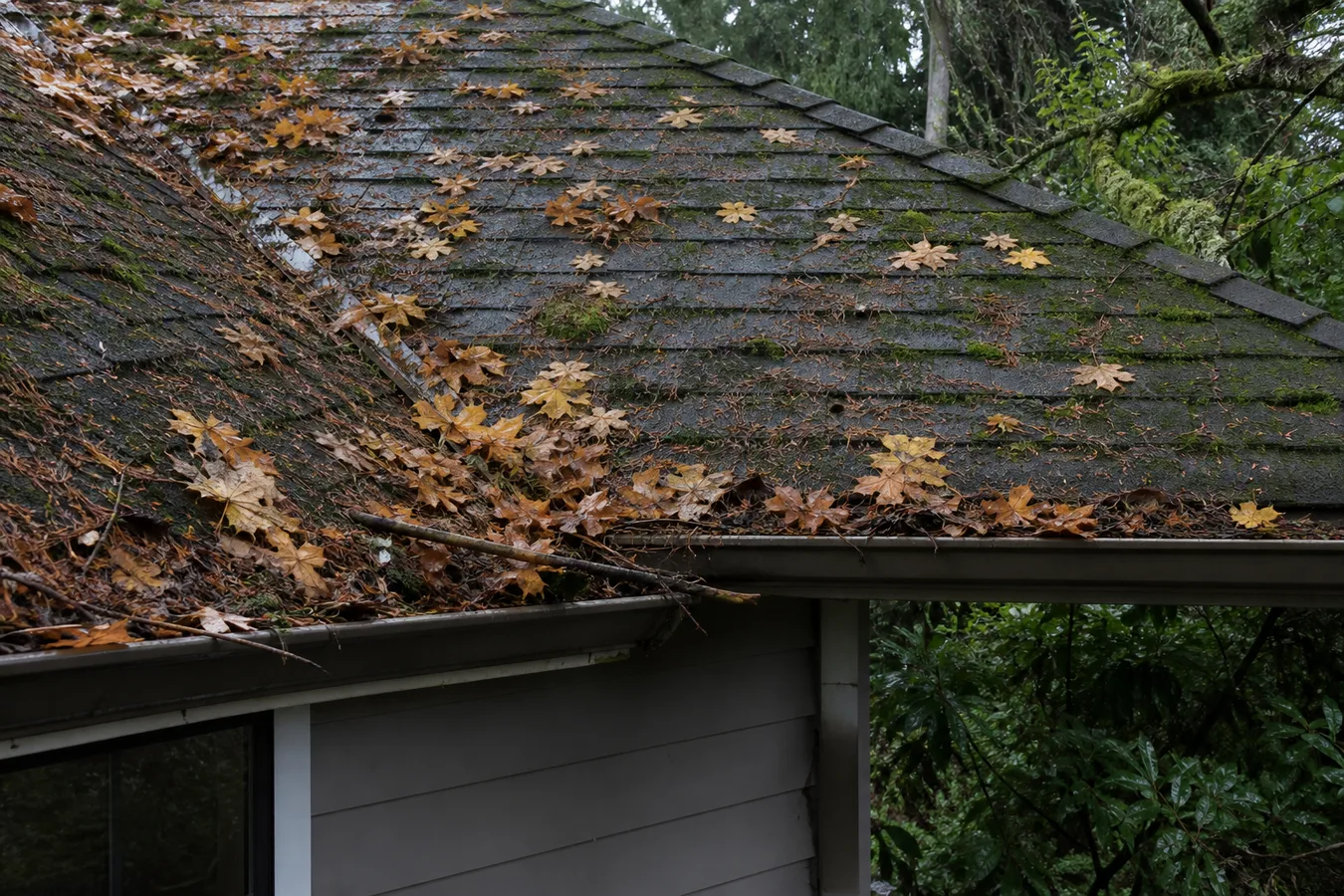
Leaves, needles, branches, and storm debris can hold moisture, block valleys, cover drains, and hide damaged materials. Removal should protect the roof surface and include a visual check of the areas that were covered.
Local conditions
Avoid dragging sharp branches, using aggressive tools, or walking on brittle, wet, steep, or damaged materials. Large limbs and unstable storm debris may require tree or emergency specialists before roofing work can begin.
What to know
Check for punctures, lifted material, damaged flashing, blocked outlets, displaced ridge pieces, and soft roof edges. Debris removal alone does not repair impact damage.
What to know
Tree management, periodic drainage checks, and safe seasonal maintenance can reduce accumulation. Do not promise that a roof will remain debris-free.
When to call
Roof debris removal is practical under firs, maples, and pines that drop needles and leaves onto valleys, gutters, and low-slope sections. Debris holds moisture and hides flashing defects.
Dams send water under shingles.
Impact and abrasion damage the surface.
Debris often starts on the field and migrates down.
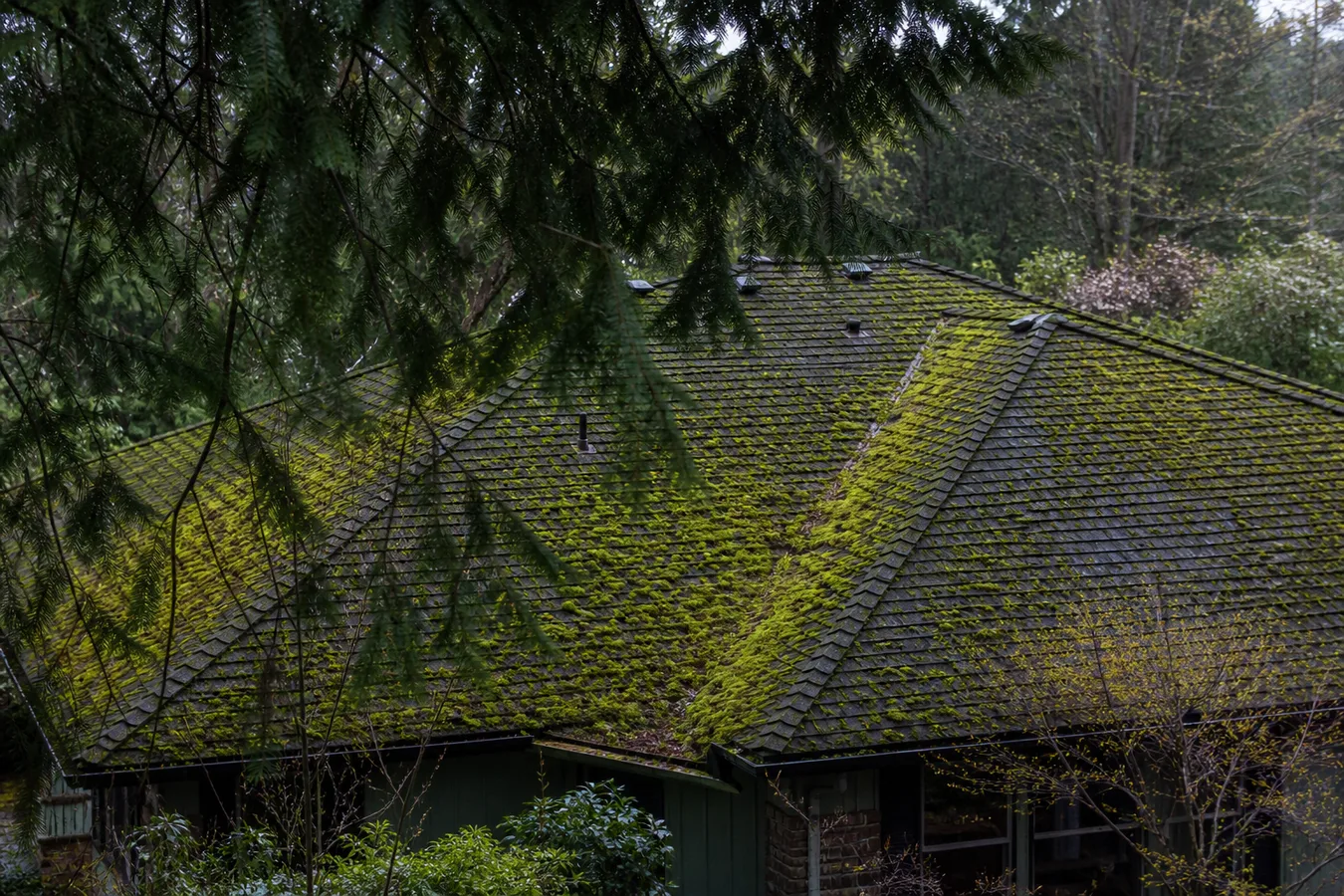
Debris is a starter bed for growth.
Organic cover prevents drying.
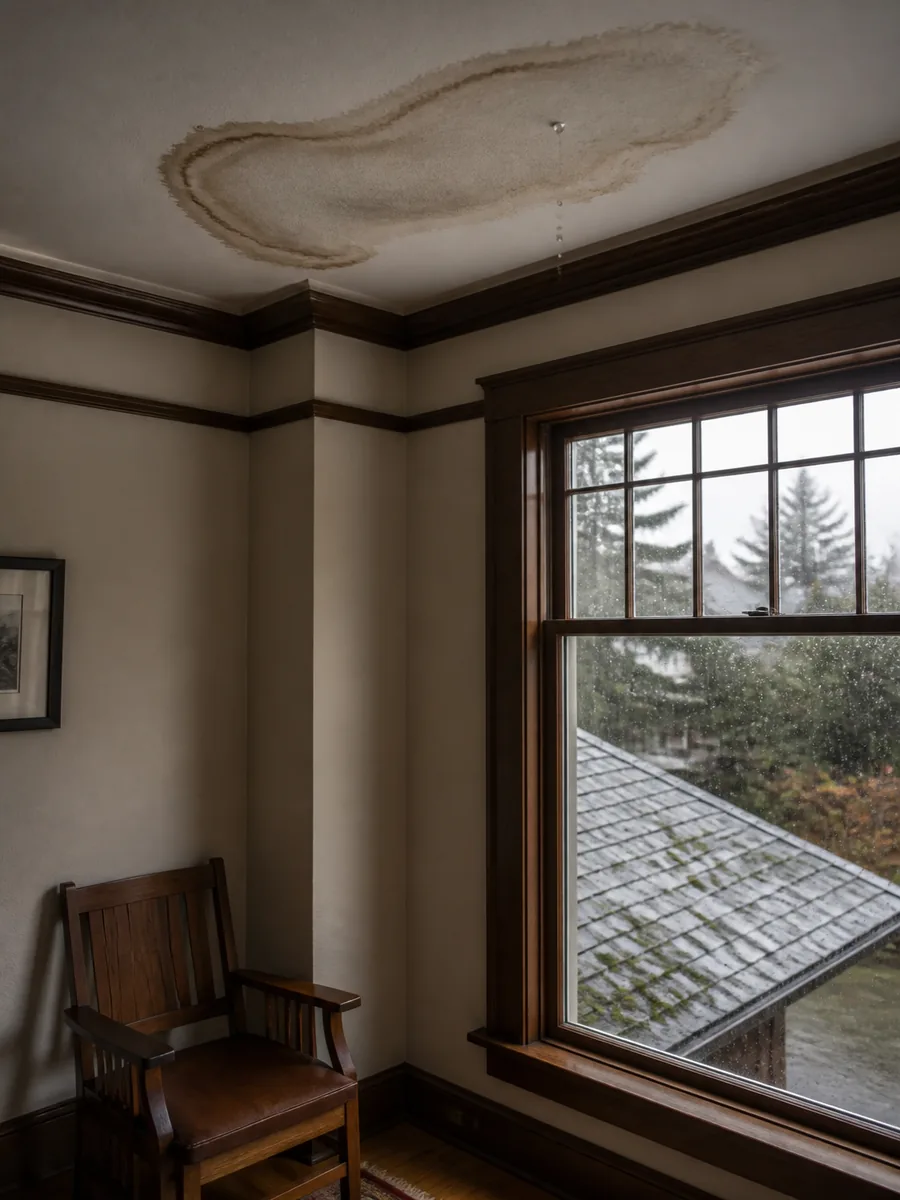
Debris can hide an active leak path.
Inspection focus
A useful roof debris removal visit should look past the first stain and document the parts of the roof that move water in Oregon weather.
Scope factors
Roof debris removal should be done when the roof is safe to access. Wet, steep, or brittle surfaces may require waiting or a different approach.
Needle loads differ from maple leaves.
Walking a worn roof can cause more damage than the debris.
Leaving outlets blocked undoes the visit.
Clearing debris can reveal the next service that is actually needed.
Continue the conversation
These nearby roofing services often belong in the same call. Review the matching page, then call to schedule service.
 01
01Roof-safe moss and algae treatment without aggressive pressure washing.
Review this service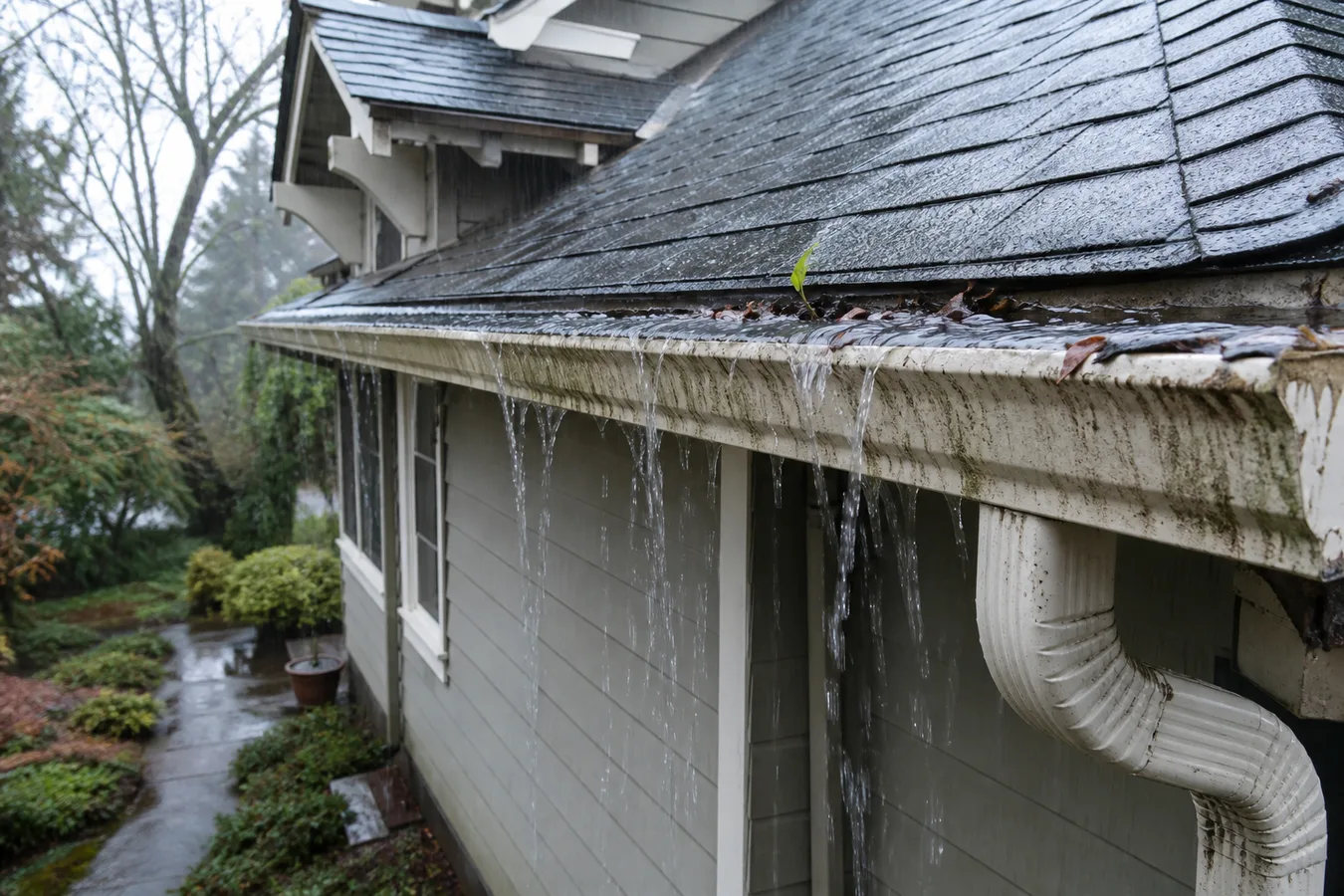 02
02Loose gutters, leaking joints, overflow, and roof-edge drainage problems.
Review this service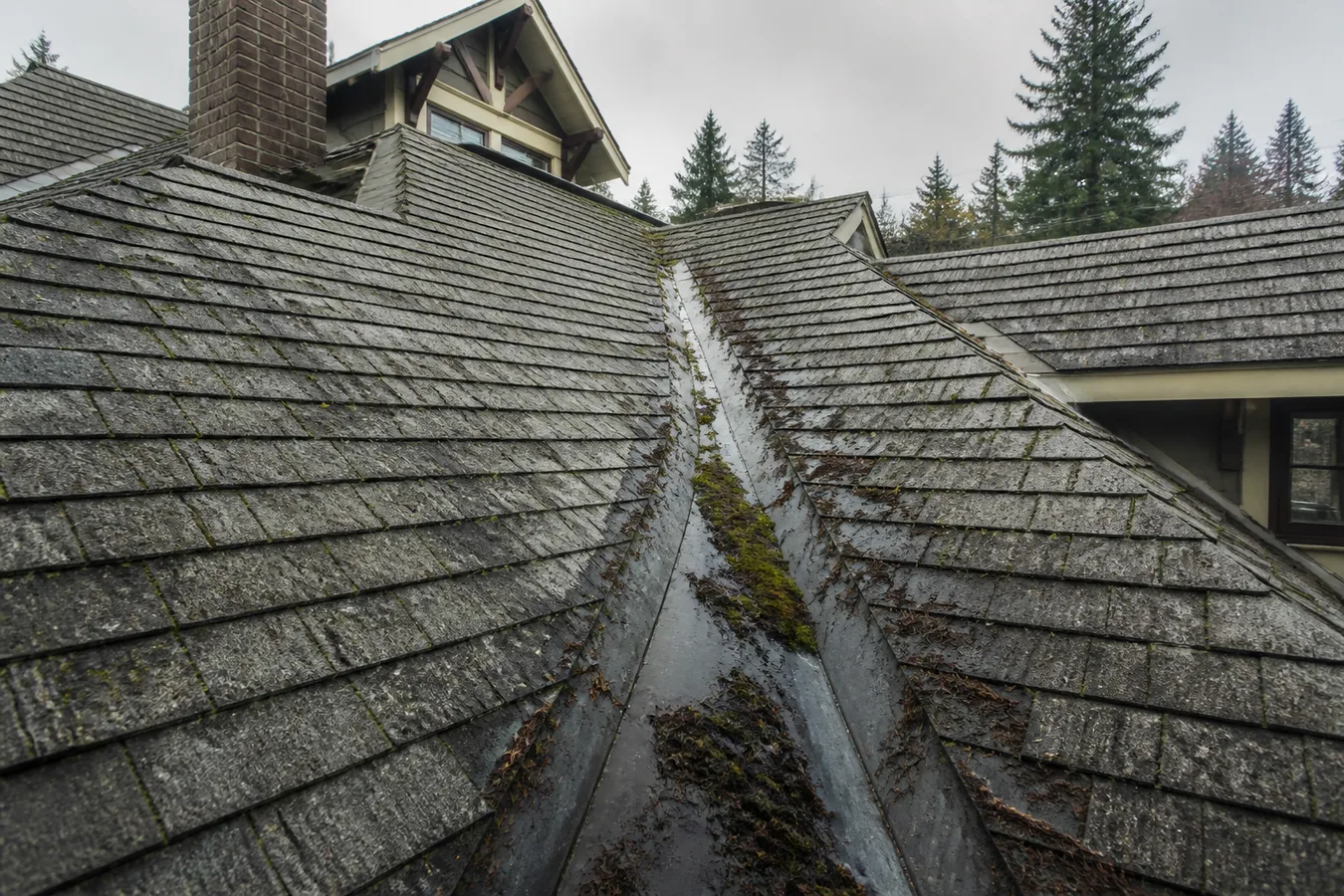 03
03Valley metal, debris, and moss where two roof planes concentrate water.
Review this service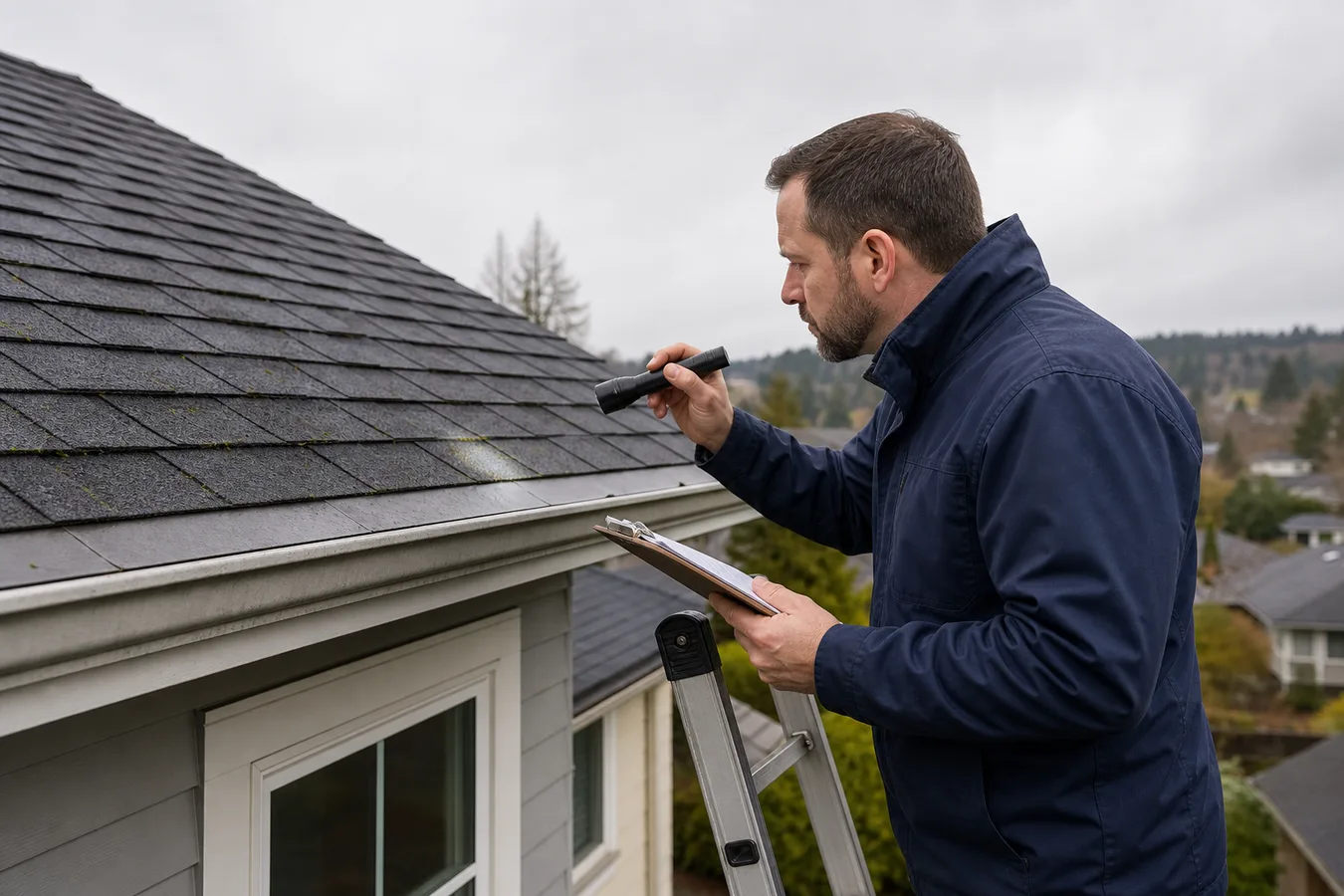 04
04Documented review of materials, flashing, drainage, edges, and moisture signs.
Review this serviceCommon questions
Confirm the size, stability, access, and whether a tree professional is required.
Call (503) 317-8312 to discuss the property location and visible roof problem, and to schedule service.